
Etymology of Bahasa Malaysia
Discover the origins of Malay words from different languages.
Introduction to the Etymology of Bahasa Malaysia
Bahasa Malaysia, the national language of Malaysia, is a linguistic tapestry woven from centuries of trade, migration, and cultural exchange. While its core structure and grammar are rooted and present across a vast Austronesian Malay language region, its modern vocabulary reflects the country's deep historical connections with various civilizations. Arabic, Sanskrit, Tamil, Chinese dialects, Persian, Portuguese, Dutch, and English have all left their imprint, making Bahasa Malaysia a true reflection of Malaysia’s multicultural identity.
The phrase "Malaysia, Truly Asia" is more than a marketing slogan—it encapsulates the nation's unique linguistic and cultural heritage. From the markets of Malacca where traders exchanged words along with goods, to the colonial era where European influences seeped into daily speech, the evolution of Bahasa Malaysia tells the story of a country shaped by diverse communities.
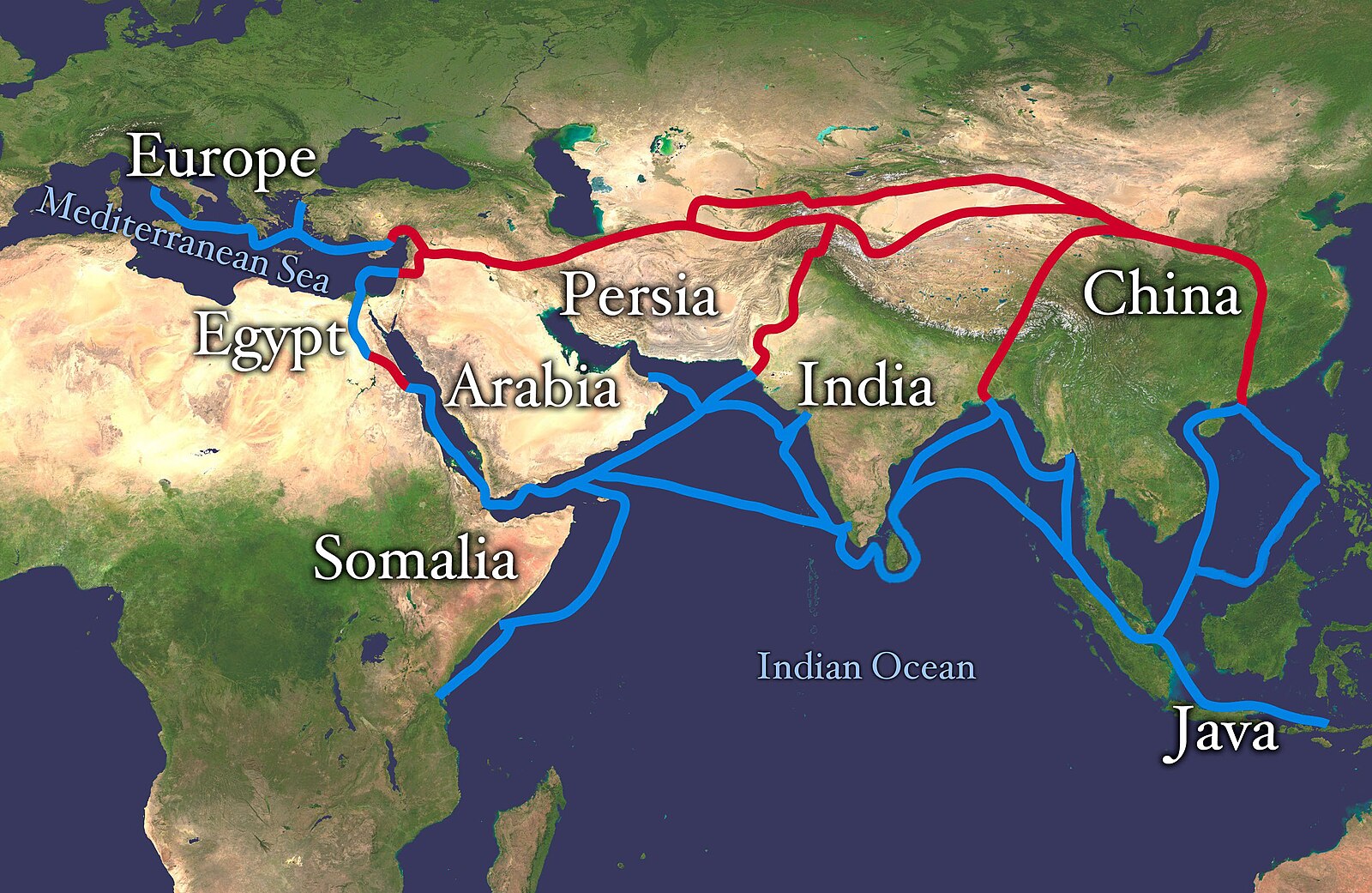
Context: Arabic influence grew with the spread of Islam in the Malay Archipelago, beginning in the 13th century. Arab and Persian traders, as well as Islamic scholars, introduced Arabic words, particularly in religious, legal, and scientific contexts.
Key Event: The conversion of the Malacca Sultanate to Islam in the 15th century marked a turning point, as Arabic became the language of religion and governance. This led to the widespread adoption of Arabic terms in Malay.
Themes: Religion, law, science.
Markers: Al- prefix, sy- sounds, or glottal stops.
-
akhir - end
From ākhir (آخِر) meaning “last” -
akal - mind
From ʿaql (عَقْل) meaning “intellect” -
dakwah - preaching
From daʿwa (دَعْوَة) meaning “invitation” -
fikir - to think
From fikr (فِكْر) meaning “thought” -
hakim - judge
From ḥākim (حَاكِم) meaning “ruler” -
haram - forbidden
From ḥarām (حَرَام) meaning “prohibited” -
ilmu - knowledge
From ʿilm (عِلْم) meaning “science” -
jabatan - department
From jabha (جَبْهَة) meaning “front, division” -
khas - special
From khāṣṣ (خَاصّ) meaning “specific” -
miskin - poor
From miskīn (مِسْكِين) meaning “needy” -
musibah - disaster
From muṣība (مُصِيبَة) meaning “calamity” -
niat - intention
From niyya (نِيَّة) meaning “purpose” -
rezeki - livelihood
From rizq (رِزْق) meaning “sustenance” -
saat - second
From sāʿa (سَاعَة) meaning “hour” -
sabar - patient
From ṣabr (صَبْر) meaning “endurance” -
syukur - gratitude
From shukr (شُكْر) meaning “thanks” -
wujud - existence
From wujūd (وُجُود) meaning “presence” -
zahir - apparent
From ẓāhir (ظَاهِر) meaning “manifest” -
adil - fair
From ʿādil (عَادِل) meaning “just” -
amanah - trust
From amāna (أَمَانَة) meaning “responsibility” -
faham - understand
From fahm (فَهْم) meaning “comprehension” -
hukum - law
From ḥukm (حُكْم) meaning “judgment” -
maklum - known
From maʿlūm (مَعْلُوم) meaning “information” -
nikah - marriage
From nikāḥ (نِكَاح) meaning “wedding contract” -
qadar - fate
From qadar (قَدَر) meaning “divine decree” -
tarikh - date/history
From tārīkh (تَارِيخ) meaning “chronicle” -
zakat - alms
From zakāh (زَكَاة) meaning “purification tax”
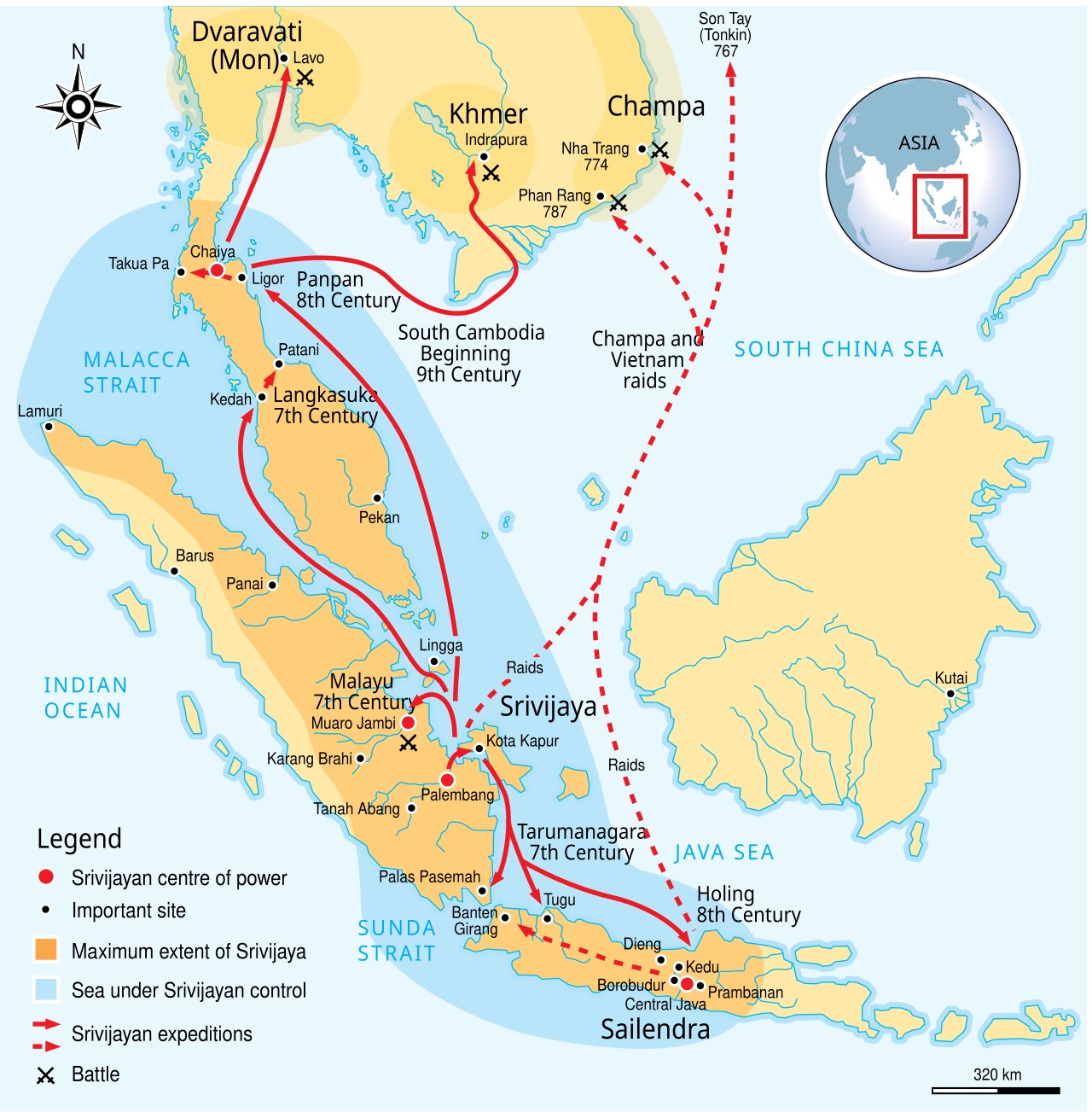
Context: Sanskrit was introduced to the Malay Archipelago through the influence of Hindu-Buddhist empires like Srivijaya (7th–13th century) and Majapahit (13th–16th century). These empires facilitated the spread of Indian culture, religion, and governance, leading to the adoption of Sanskrit terms in Malay.
Key Event: The Srivijaya Empire, centered in Sumatra, was a major hub for Buddhist learning and trade, attracting scholars and traders from India. This led to the integration of Sanskrit into Malay, particularly in religious and philosophical contexts.
Themes: Religion, philosophy, governance.
Markers: Words ending in -a and abstract concepts.
-
angkasa - sky
From ākāśa (आकाश) meaning “sky, space” -
asmara - love
From smara (स्मर) meaning “passion, love” -
bahagia - happiness
From bhāgya (भाग्य) meaning “fortune” -
bahtera - ship
From vahitra (वहित्र) meaning “boat” -
bangsa - nation
From vaṃśa (वंश) meaning “lineage, dynasty” -
budi - wisdom
From buddhi (बुद्धि) meaning “intellect” -
cinta - love
From chintā (चिन्ता) meaning “thought, care” -
dunia - world
From duniyā (دُنْيَا) Arabic, but influenced by Sanskrit dina (दिन) meaning “day” -
guru - teacher
From guru (गुरु) meaning “spiritual teacher” -
istana - palace
From sthāna (स्थान) meaning “place, residence” -
jaya - victory
From jaya (जय) meaning “triumph” -
karya - work
From kārya (कार्य) meaning “duty” -
negara - country
From nagara (नगर) meaning “city, state” -
pahlawan - hero
From phalguṇa (फल्गुण) meaning “warrior” -
raja - king
From rājan (राजन्) meaning “monarch” -
syurga - heaven
From svarga (स्वर्ग) meaning “celestial realm” -
sastera - literature
From śāstra (शास्त्र) meaning “scripture, science” -
samudra - ocean
From samudra (समुद्र) meaning “gathering of waters” -
suami - husband
From svāmin (स्वामिन्) meaning “master, lord” -
dewa - god
From deva (देव) meaning “divine being” -
dosa - sin
From doṣa (दोष) meaning “fault, defect” -
gembira - happy
From gambhīra (गम्भीर) meaning “deep” -
kencana - gold
From kāñcana (काञ्चन) meaning “golden” -
manusia - human
From manuṣya (मनुष्य) meaning “mortal being” -
murni - pure
From mūrta (मूर्त) meaning “manifested, concrete” -
nadi - vein
From nāḍī (नाडी) meaning “channel, tube” -
puja - worship
From pūjā (पूजा) meaning “ritual offering” -
rupa - appearance
From rūpa (रूप) meaning “form, beauty” -
sengsara - suffering
From saṃsāra (संसार) meaning “cycle of existence” -
sukma - soul
From sūkṣma (सूक्ष्म) meaning “subtle essence”
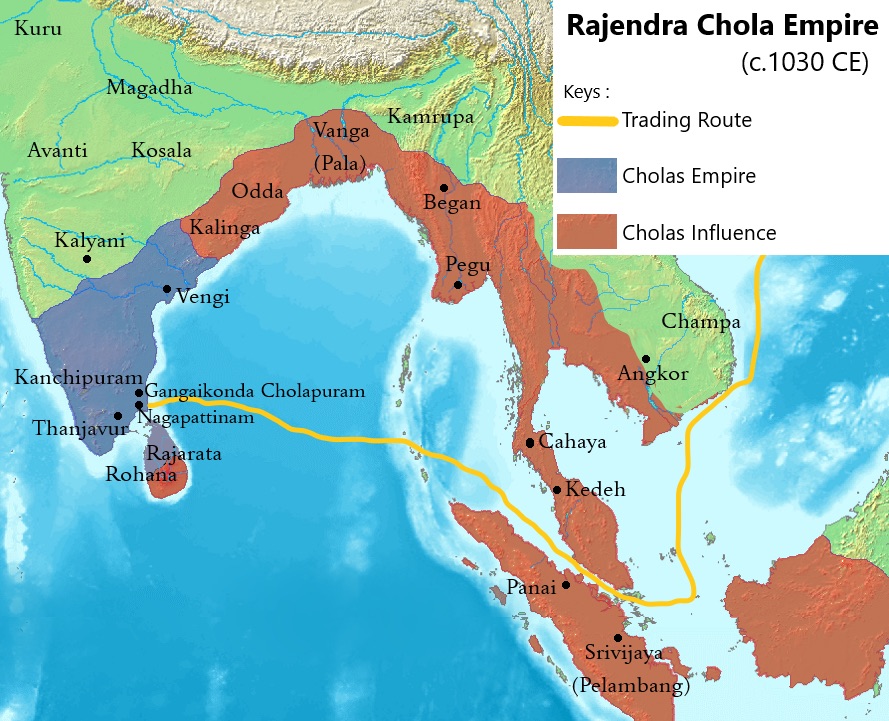
Context: Tamil influence began with early trade links between South India and the Malay Archipelago, notably when the Southern Indian Chola Empire was at it's peak (9th to 13th centuries) as well as during the Malacca Sultanate (15th century). Tamil traders and settlers brought their language and culture, which blended with local Malay traditions.
Key Event: The establishment of the Malacca Sultanate as a major trading port in the 15th century facilitated the exchange of goods and ideas between Tamil merchants and Malay communities, leading to the adoption of Tamil words related to food, trade, and daily life.
Themes: Food, trade, daily objects.
Markers: Short, consonant-heavy words.
-
acuan - mould
From accu (அச்சு) meaning “mould” -
bedil - gunpowder
From veṭil (வெடில்) meaning “explosive” -
cat - paint
From cāti (சாதி) meaning “to paint” -
duit - money
From tāṅkāyam (தாங்காயம்) meaning “currency” -
gajah - elephant
From yāṉai (யானை) meaning “elephant” -
kaleng - can
From kalañcu (கலஞ்சு) meaning “metal” -
kapal - ship
From kappal (கப்பல்) meaning “vessel” -
kedai - shop
From kadai (கடை) meaning “store” -
kolam - pond
From kulam (குளம்) meaning “tank” -
kuli - laborer
From kūli (கூலி) meaning “wages” -
muthu - pearl
From muttu (முத்து) meaning “pearl” -
nilam - sapphire
From nīlam (நீலம்) meaning “blue” -
contoh - example
From cōṉṭu (சோண்டு) meaning “instance” -
cemeti - whip
From cematti (செமட்டி) meaning “horsewhip” -
cerut - cigar
From curuṭṭu (சுருட்டு) meaning “roll” -
peti - box
From petti (பெட்டி) meaning “chest” -
pili - tap/faucet
From pīḷi (பீளி) meaning “screw” -
nelayan - fisherman
From nēl (நீர்) meaning “water” + āḷ (ஆள்) meaning “person” -
perisai - shield
From pariṣai (பரிசை) meaning “armor” -
roti - bread
From roṭṭi (ரொட்டி) meaning “flatbread” -
sate - satay
From cāttai (சாட்டை) meaning “meat skewer” -
tembaga - copper
From tāmragam (தாமிரகம்) meaning “metal”
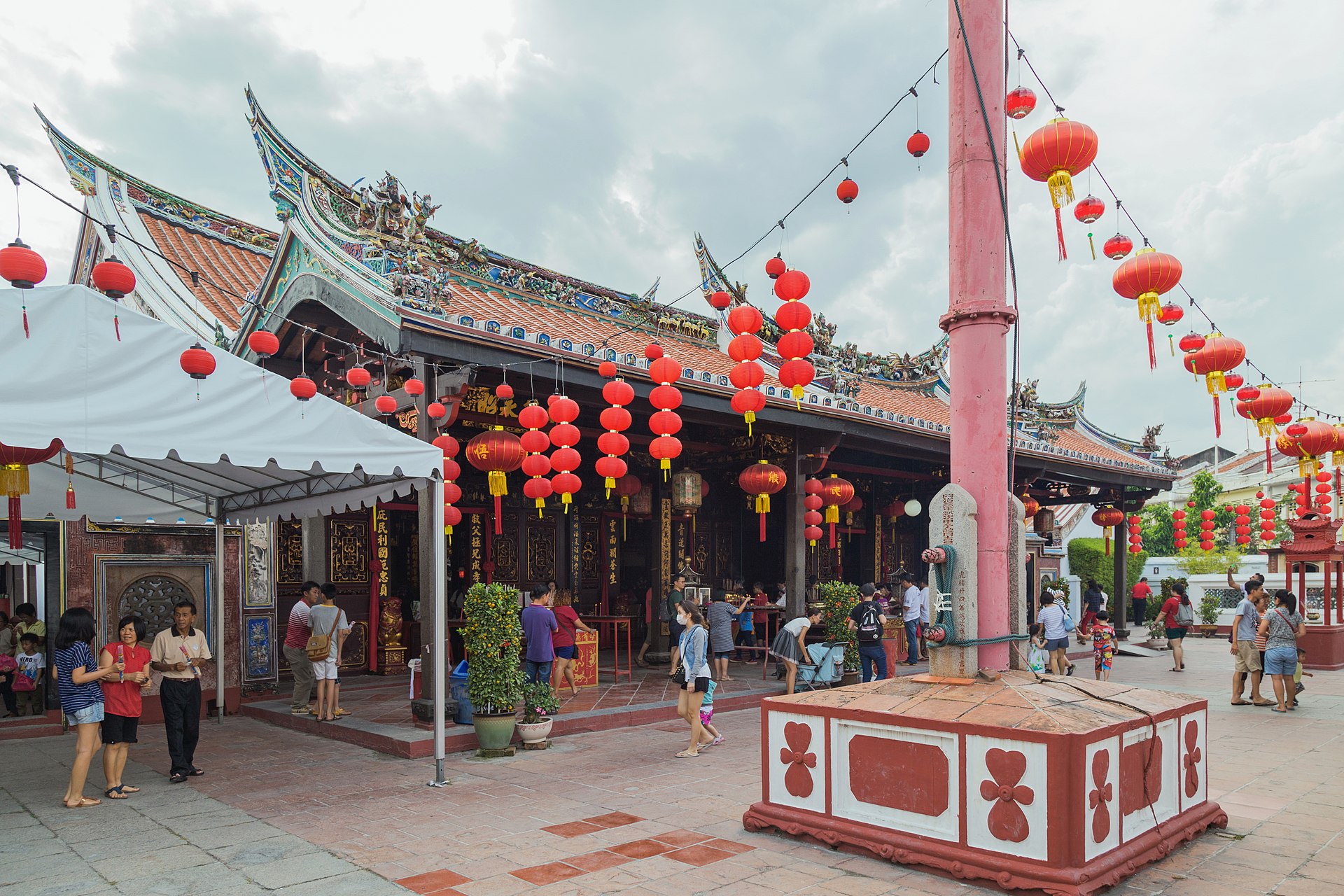
Context: Chinese influence on Malay began with the arrival of Chinese traders and settlers, particularly during the Malacca Sultanate (15th century). The Peranakan (Straits Chinese) community, also known as the Nyonya-Baba, played a significant role in blending Chinese and Malay cultures.
Key Event: The voyages of Admiral Zheng He in the early 15th century strengthened trade ties between China and the Malay Archipelago. Later, waves of Chinese migration in the 19th century, particularly during the British colonial era, further enriched the Malay language with Hokkien and Cantonese loanwords.
Themes: Food, commerce, kinship.
Markers: Tonal adaptations, monosyllabic words.
-
kuih - cake
From Hokkien: 粿 (kué) -
teh - tea
From Hokkien: 茶 (tê) -
taugeh - bean sprout
From Hokkien: 豆芽 (tāu-gê) -
kucai - chives
From Hokkien: 韭菜 (kú-tshài) -
lobak - radish
From Cantonese: 蘿蔔 (lo^4^ baak^6^) -
longan - longan fruit
From Cantonese: 龍眼 (long^4^ ngaan^5^) -
mi - noodles
From Hokkien: 麵 (mī) -
tauhu - tofu
From Hokkien: 豆腐 (tāu-hū) -
pau - steamed bun
From Hokkien: 包 (pau) -
tanglung - lantern
From Hokkien: 燈籠 (teng-lông) -
teko - teapot
From Hokkien: 茶鈷 (tê-kó͘) -
kiam - salty
From Hokkien: 鹹 (kiâm) -
cincai - casual
From Hokkien: 凊彩 (chhìn-chhái) -
loteng - upper floor
From Hokkien: 樓頂 (lâu-téng) -
gua - I/me
From Hokkien: 我 (guá) -
siong - mutual
From Hokkien: 相 (sio-) -
kongsi - share
From Hokkien: 公司 (kong-si)

Context: Persian influence entered Malay through Islamic scholarship and trade, particularly during the height of the Malacca Sultanate and later through the Aceh Sultanate. Persian was a language of culture and literature in the Islamic world, and its influence is seen in Malay words related to royalty, commerce, and culture.
Key Event: The Aceh Sultanate (16th–17th century) was a center of Islamic learning and trade, where Persian scholars and merchants introduced Persian words into Malay, particularly in literary and cultural contexts.
Themes: Culture, commerce, royalty.
Markers: Words with -dar or -shah roots.
-
anggur - wine
From angūr (انگور) meaning “grape” -
bandar - port
From bandar (بندر) meaning “harbor” -
dewan - hall
From dīvān (دیوان) meaning “court” -
gandum - wheat
From gandum (گندم) meaning “grain” -
jawab - answer
From javāb (جواب) -
kenduri - feast
From kend (کند) meaning “city” + uri (اوری) meaning “gathering” -
kismis - raisin
From kishmish (کشمش) meaning “dried grape” -
lazim - common
From lāzim (لازم) -
nakhoda - ship captain
From nākhodā (ناوخدا) -
pasar - market
From bāzār (بازار) meaning “marketplace” -
penjara - prison
From panjara (پنجره) meaning “cage” -
piama - pyjamas
From Minangkabau piama and ultimately Persian -
shahid - martyr
From shahīd (شهید) -
topan - typhoon
From tūfān (طوفان) meaning “storm” -
zar - gold
From zar (زر)
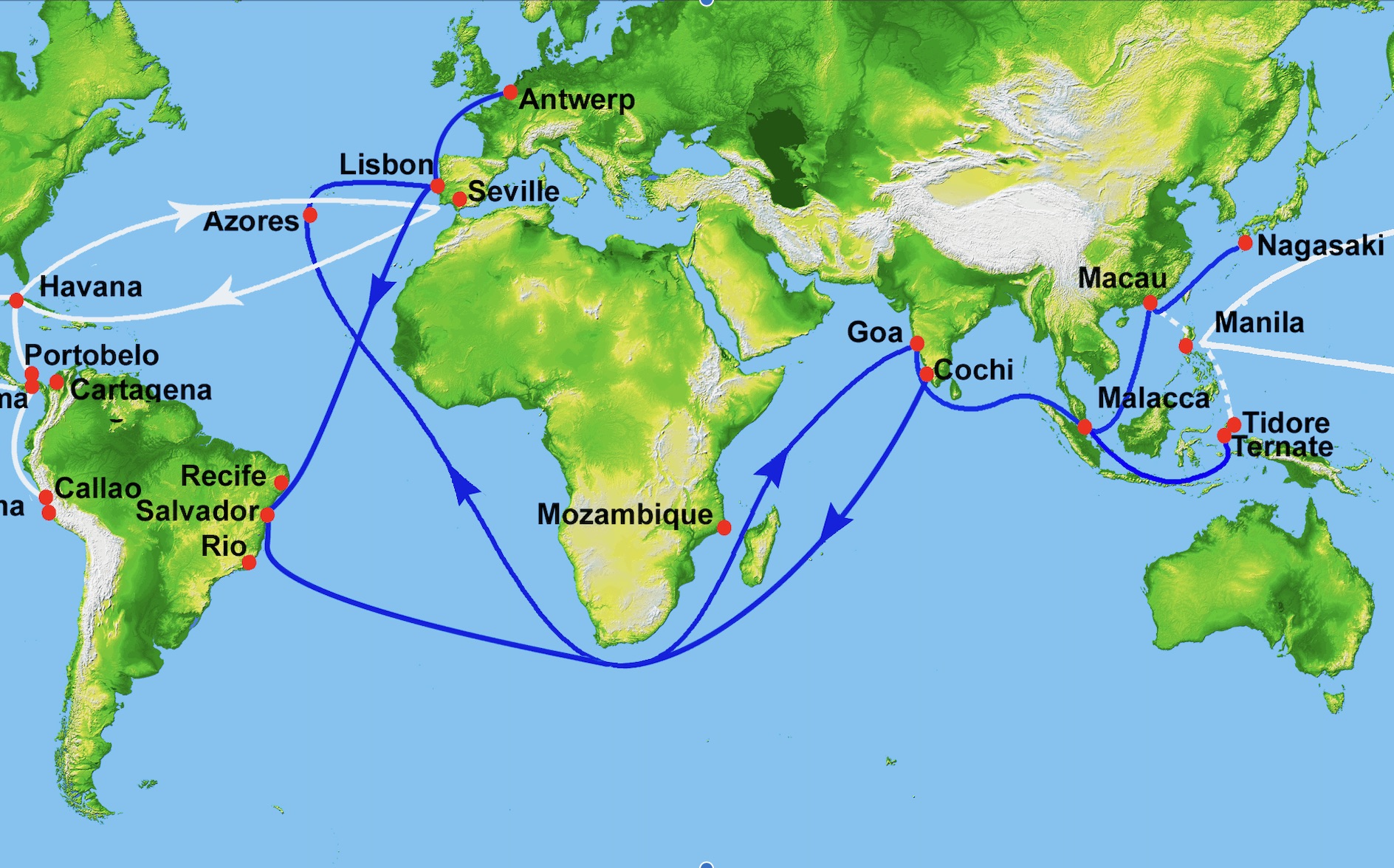
Context: Portuguese influence began with the conquest of Malacca in 1511, marking the start of European colonialism in Southeast Asia. The Portuguese introduced new foods, household items, and administrative terms, many of which were adopted into Malay.
Key Event: The Portuguese occupation of Malacca (1511–1641) was a pivotal period, as they established a strong presence in the region. Their language and culture left a lasting impact, particularly in areas like religion (e.g., "gereja" for church) and daily life.
Themes: Household items, administration.
Markers: Retained European phonetics.
-
almari - cupboard
From armário meaning “cabinet” -
bola - ball
From bola meaning “ball” -
gereja - church
From igreja meaning “church” -
jendela - window
From janela meaning “window” -
keju - cheese
From queijo meaning “cheese” -
lelong - auction
From leilão -
mentega - butter
From manteiga -
natal - Christmas
From Natal -
sekolah - school
From escola -
tuala - towel
From toalha -
meja - table
From mesa -
limau - lime
From limão -
pesta - party
From festa -
bendera - flag
From bandeira
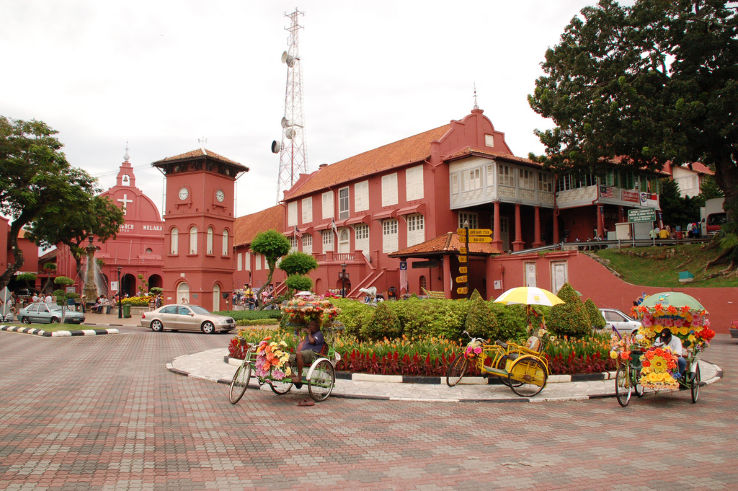
Context: The Dutch East India Company (VOC) established control over parts of the Malay Archipelago in the 17th century, particularly in Java and Malacca. Dutch influence is seen in administrative and household terms, reflecting their colonial administration.
Key Event: The Dutch capture of Malacca from the Portuguese in 1641 marked the beginning of their dominance in the region. Their administrative systems and trade networks introduced Dutch words into Malay, particularly in governance and commerce.
Themes: Household items, administration.
Markers: Retained European phonetics.
-
kemeja - shirt
From kamiza meaning “undershirt” -
kantor - office
From kantoor meaning “office” -
handuk - towel
From handdoek meaning “towel” -
senapang - rifle
From snaphaan meaning “gun” -
peluru - bullet
From pellet meaning “pellet” -
kertas - paper
From kartas (via Portuguese cartaz) -
keran - faucet
From kraan meaning “tap” -
basikal - bicycle
From bicycle (via English)
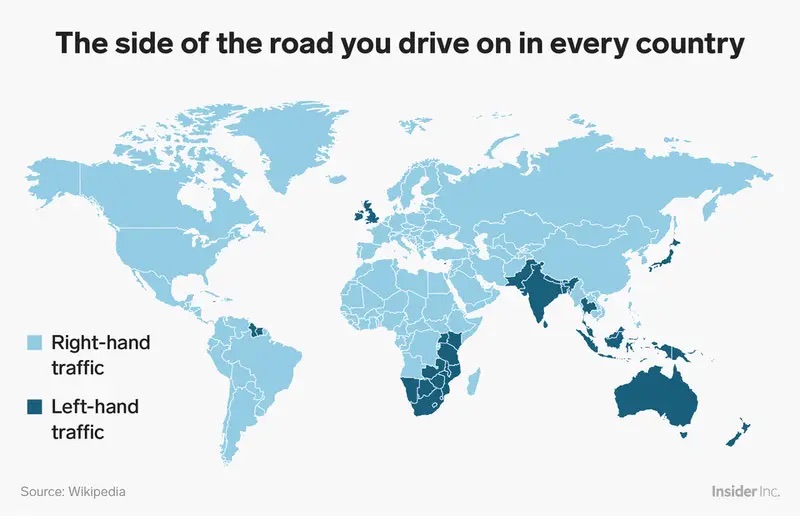
Context: English influence began with British colonial rule in the 19th century, particularly after the establishment of the Straits Settlements (Penang, Malacca, and Singapore). The British introduced modern institutions, technology, and education, leading to the adoption of English words.
Key Event: The Treaty of Pangkor (1874) marked the beginning of British intervention in Malaya, leading to the spread of English through education, administration, and trade. This influence continued into the post-independence era with globalization.
Themes: Technology, modern institutions.
Markers: Direct loanwords or slight adaptations.
-
teksi - taxi
From taxi -
komputer - computer
From computer -
doktor - doctor
From doctor -
stesen - station
From station -
hotel - hotel
From hotel -
restoran - restaurant
From restaurant -
universiti - university
From university -
televisyen - television
From television -
trak - truck
From truck -
bas - bus
From bus
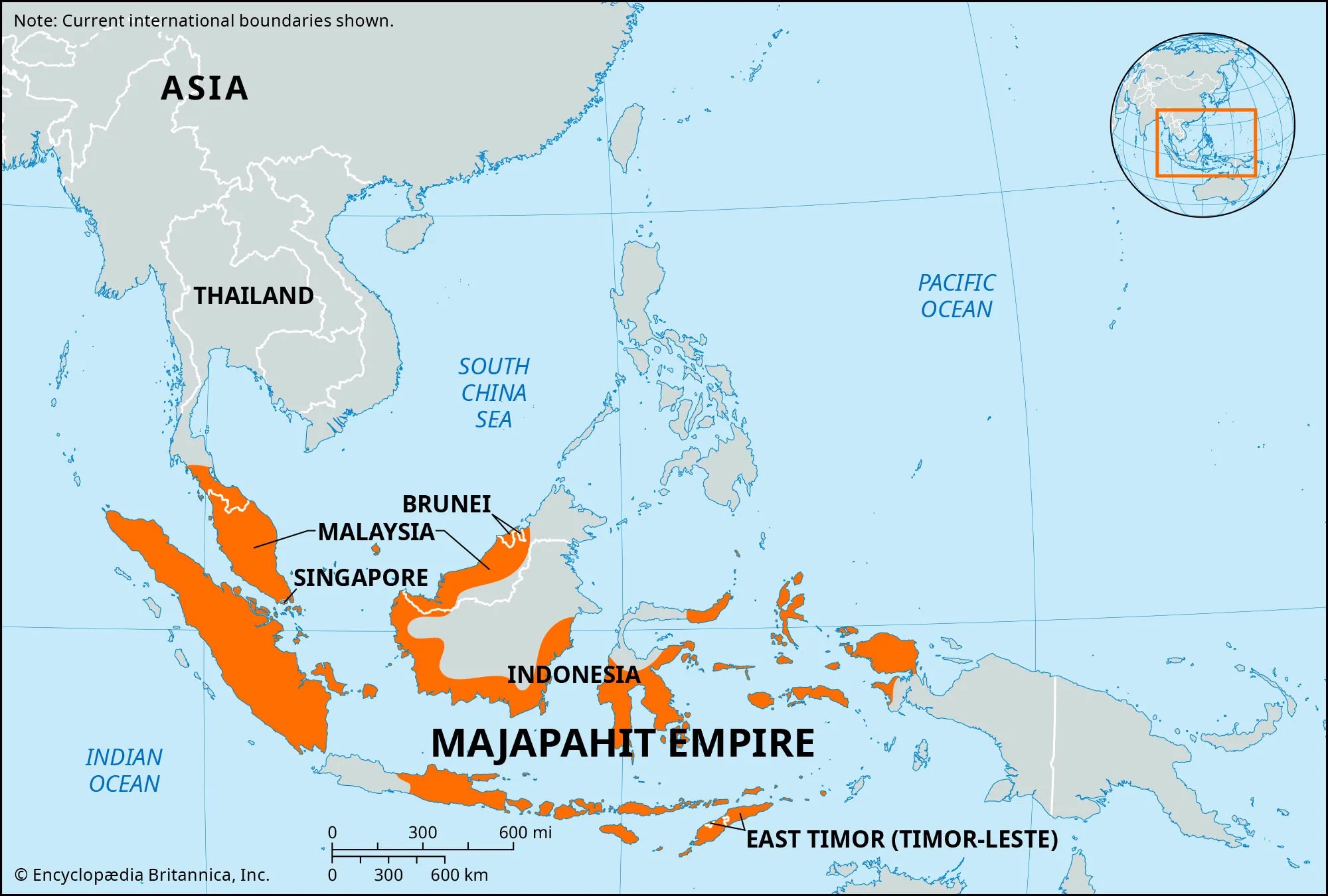
Context: Malay has been influenced by other Austronesian languages in the region, particularly Javanese, Minangkabau, Bugis, and Balinese. These influences reflect the cultural and historical ties between the Malay Peninsula and the Indonesian Archipelago.
Key Event: The migration of Minangkabau and Bugis communities to the Malay Peninsula during the 18th and 19th centuries brought their languages and traditions, enriching Malay with words related to daily life, culture, and maritime activities.
Themes: Daily life, culture, and regional traditions.
Markers: Words related to local customs, food, and natural elements.
-
rumah - house
Austronesian origin -
makan - eat
From Proto-Malayo-Polynesian kaən -
air - water
From Proto-Austronesian wahiʀ -
prihatin - concerned
From Javanese prihatin meaning “self-restraint” -
lelah - tired
From Javanese lelah meaning “exhausted” -
rawa - marsh
From Javanese rawa -
gampang - easy
From Javanese gampang -
blusukan - impromptu visit
From Javanese blusuk meaning “to sneak” -
merantau - to migrate
From Minangkabau rantau meaning “coastal area” -
silek - martial art
From Minangkabau silek -
sulit - difficult
From Bugis suliyé meaning “complicated” -
pantai - beach
From Bugis pantai -
sabung - cockfight
From Bugis sabbu meaning “to fight” -
bissu - androgynous priest
From Bugis bissu -
gong - gong
From Balinese gong -
barong - mythical lion
From Balinese barong -
canang - ritual offering
From Balinese canang